
Essential Oils Safety Made Simple: 7 Must-Know Guidelines
“Discover essential oils safety made simple with 7 must-know guidelines for safe use. Protect your skin, health, and enjoy oils with confidence.”

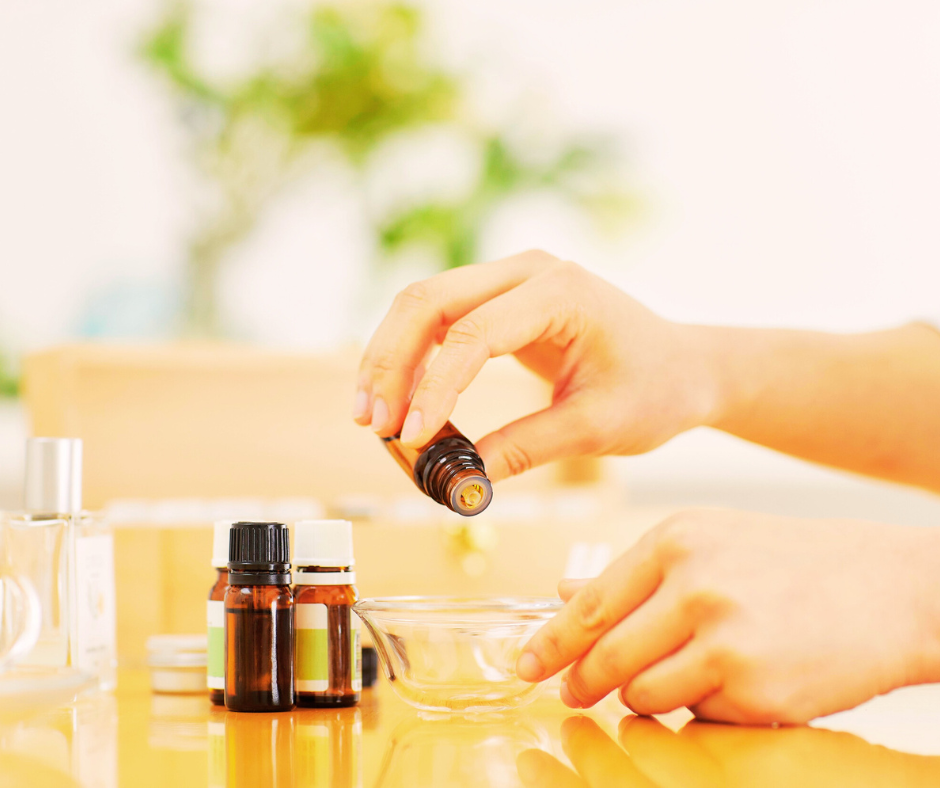
"Today we will explore essential oils safety and the key guidelines you need to know."
Hi, I’m Manolis Manos, Medical Herbalist and co-founder of Anthos Botanicals. My mission is to demystify herbal medicine and aromatherapy with clear, science-backed insights—free from marketing hype.
In this guide, we’ll explore 7 must-know essential oils safety guidelines. These tips make safe use simple, so you can enjoy the natural benefits of essential oils with confidence and peace of mind.
Did You Know?
Essential oils are incredibly potent—sometimes it takes over 90 kilos of plant material to produce just one liter of oil. While their therapeutic potential is vast, this concentration also makes them powerful substances that must be used with care.
Modern research highlights both their benefits and risks. Therefore, proper dilution, mindful application, and safe storage are essential to avoid skin irritation, sensitization, or other unwanted effects. When respected and used wisely, essential oils can be a safe and valuable part of holistic wellness practices.
1. Always Dilute Essential Oils Before Use
Essential oils are highly concentrated—sometimes up to 100 times stronger than the plant they come from.
Applying them directly to your skin can cause irritation, redness, or long-term sensitivity.
👉 Simple dilution guide:
-
Adults: 1–2% dilution (1–2 drops per teaspoon of carrier oil)
-
Children: 0.25–0.5% dilution (1 drop per 4 teaspoons of carrier oil)
Tip: Carrier oils like olive, jojoba, almond, or coconut oil are perfect for safe application.
2. Never Ingest Essential Oils Without Professional Guidance
Some websites or influencers suggest adding a few drops of essential oil to water, tea, or even recipes. While it may sound natural, this practice can be very dangerous. Essential oils are highly concentrated—just one drop can equal the potency of several cups of herbal infusion.
Potential Risks of Internal Use
Ingesting essential oils without proper guidance can cause serious issues:
-
Digestive irritation → burning sensations, nausea, or stomach upset.
-
Liver and kidney strain → these organs work hard to metabolize concentrated compounds.
-
Medication interactions → including blood thinners, antidepressants, and many others.
-
Toxicity risk → especially with oils high in compounds like camphor, thujone, or phenols.
Safe Practice
Only ingest food-grade essential oils under the guidance of a qualified medical herbalist or clinical aromatherapist trained in internal use. These professionals know which oils are safe, at what dosage, and for how long—if at all.
Think of essential oils as highly potent medicines, not flavorings. When used wisely, they support health. Taken recklessly, they can cause serious harm.
3. Patch Test Before Applying on Skin

Everyone reacts differently to essential oils. Before applying a new oil blend, do a patch test:
-
Dilute the oil properly.
-
Apply a small amount to your inner forearm.
-
Wait 24 hours to check for redness or itching.
⚠️ Common sensitizing oils include cinnamon, clove, and lemongrass.
4. Be Mindful with Essential oils with Children, Pregnancy, and Pets
Certain essential oils are not suitable for sensitive groups. Extra care is always required to ensure safety.
Children
Young children have delicate skin and developing systems, making them more vulnerable to strong oils. Avoid peppermint and eucalyptus in infants under 2 years, as these can affect breathing. For older children, use only very low dilutions and choose gentle oils, such as chamomile or lavender.
Pregnancy
Because essential oils are highly potent, it is safest to avoid most during the first trimester, when the developing baby is especially sensitive. Oils like rosemary, sage, and clary sage are particularly cautioned against, as they may stimulate uterine contractions or affect hormone balance. Even later in pregnancy, only a limited number of oils should be considered—and always under professional guidance.
Pets
Cats and dogs metabolize essential oils differently than humans and are often more sensitive. Oils such as tea tree, wintergreen, and citrus can be toxic. Never apply essential oils directly to a pet’s skin or fur. When diffusing oils, always allow pets to leave the room freely.
⚠️ Safe practice: When in doubt, avoid using essential oils on or around sensitive groups. Alternatively, consult a qualified professional before doing so.
5. Store Essential Oils Safely

To keep your oils both effective and safe, proper storage and handling are essential:
-
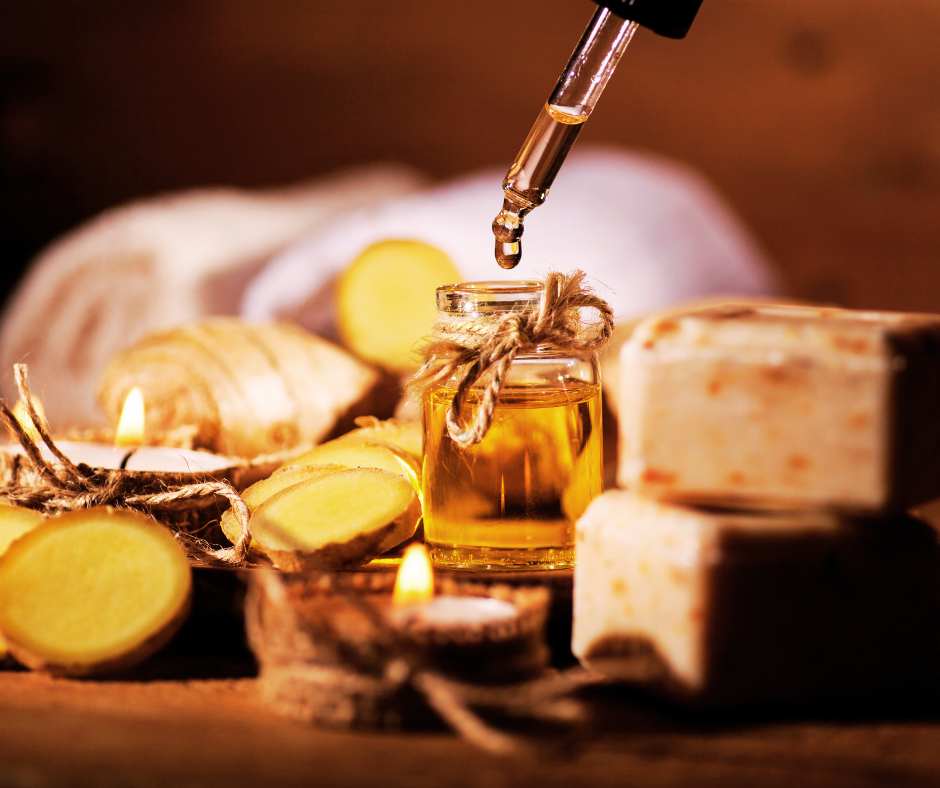
Store in dark glass bottles → Essential oils are light-sensitive, so amber or cobalt bottles protect them from oxidation and spoilage.
-
Keep away from heat and light → Direct sunlight or high temperatures can alter their chemistry and reduce their effectiveness.
-
Keep out of reach of children and pets → Even small amounts can be harmful if accidentally ingested or spilled.
-
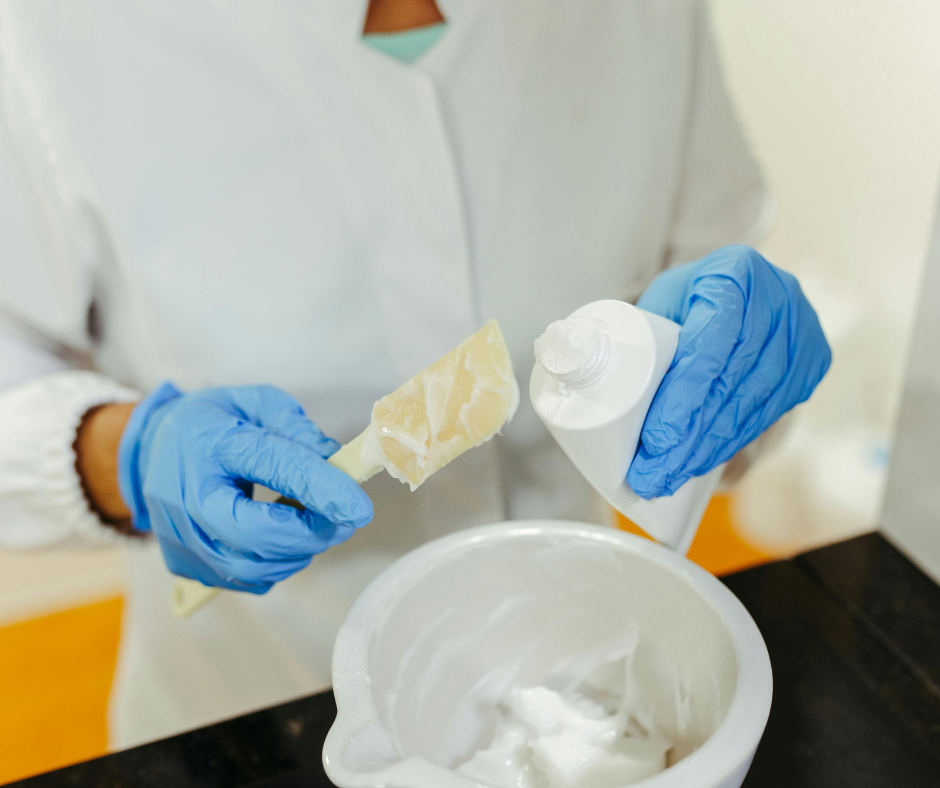
Handle with care during formulation → When making cosmetics, creams, or soaps, always work carefully. Essential oils are highly concentrated and can irritate eyes or skin if splashed. Wear protective gloves and goggles, especially when emulsifying a moisturizer with a handheld mixer or during soap making, where oils and lye are combined.
⚠️ Treat essential oils as you would strong natural medicines: store thoughtfully and handle with respect.

6. Know the “Hot Oils” That Can Irritate Skin
Some essential oils are naturally more intense and require extra caution. These are often referred to as “hot oils”—a common term in the wellness and essential oil community (though not a scientific classification)—because they can cause burning sensations, redness, or irritation if applied undiluted.
Examples include:
-
Oregano
-
Thyme
-
Clove
-
Cinnamon bark
These oils are highly valued for their powerful antimicrobial and immune-supporting properties, but they must always be used in very low dilutions and blended with carrier oils before topical application. For example, oregano and thyme essential oils are popular for supporting respiratory and immune health, yet they are among the strongest oils and can quickly irritate the skin if not handled correctly.
⚠️ Best practice: Reserve hot oils for short-term, targeted use, and follow proper dilution guidelines to enjoy their benefits safely.
7. Use Essential Oils for Inhalation with Care
Diffusing essential oils is one of the safest ways to enjoy their benefits, but moderation is key to prevent irritation or overexposure.
-
Diffuse for 20–30 minutes at a time → Short sessions are usually enough to enjoy the aroma and therapeutic effects without overwhelming the air or respiratory system.
-
Ensure good ventilation → Open a window or door when diffusing to allow fresh air to circulate and prevent the space from becoming too concentrated.
-
Avoid prolonged or overnight use → Continuous diffusion can cause headaches, nausea, or respiratory irritation in sensitive individuals.
-
Consider pets and children → Some essential oils can be irritating or toxic to animals and young children. Make sure they can leave the room freely, and never diffuse oils directly over them.
-
Use quality diffusers and clean regularly → A clean diffuser ensures even dispersion and prevents residue buildup that can alter the oil’s composition or emit unpleasant odors.
⚠️ Tip: Even diffusing “gentle” oils like lavender or sweet orange should be done thoughtfully. Rotate oils, vary scents, and keep sessions short for a safe and enjoyable aromatherapy experience.
Quick Safety Recap
-
Always dilute before use.
-
Never ingest without expert guidance.
-
Patch test for sensitivity.
-
Take extra care with children, pregnancy, and pets.
-
Store properly to preserve quality.
-
Be cautious with “hot” oils.
-
Diffuse mindfully.
Essential Oils Safety FAQs
Can I apply essential oils directly to my skin?
It’s not recommended. Even “gentle” oils like lavender and tea tree should be diluted to avoid long-term sensitivity.
Which essential oils are safest for beginners?
Lavender, rosemary, chamomile, and sweet orange are generally safe when diluted.
Are essential oils safe to use every day?
Yes, but moderation is important. Rotate your oils and avoid using the same one daily for long periods.
What is phototoxicity, and which oils cause it?
Phototoxicity occurs when certain oils, especially citrus oils like bergamot, lemon, and lime, react with sunlight or UV rays and cause skin burns or discoloration. Always avoid direct sun exposure for 12–24 hours after applying these oils to your skin.
Conclusion
When used safely, essential oils can be a wonderful addition to your wellness routine. By following these simple guidelines, you’ll be able to enjoy their benefits with confidence and peace of mind.
At Anthos Botanicals, we believe in empowering you with clear, reliable knowledge so that nature’s gifts can be used wisely—and safely.
⚠️ Disclaimer
Our products are intended for aromatherapy and culinary use. Traditional uses are not a substitute for medical advice. The information provided here is for informational purposes only and does not constitute medical advice. If you have any health questions, please consult your physician.
Further Reading & resources
For more guidance on using essential oils safely, it’s best to rely on trusted resources. The National Center for Complementary and Integrative Health (NCCIH) and PubMed provide research-backed information, while AromaWeb offers clear, practical aromatherapy insights. At Anthos Botanicals, we also share certified organic essential oils and easy-to-follow educational resources—helping you apply these 7 must-know safety guidelines with confidence in your daily wellness routine.
Custom Herbal Journey at Mt. Pelion, Greece – Explore the Healing Herbs of Greece
Herbalism & Aromatherapy Masterclasses in Pelion – Learn with a Medical Herbalist
Anthos Botanicals – Certified Organic Carrier & Essential Oils
You May Also Like…

Discover the Powerful Lemon Essential Oil Benefits for Mind & Body
Discover the powerful lemon essential oil benefits for energy, mental clarity, and immune support—naturally uplifting both mind and body.

Discover the Powerful Peppermint Essential Oil Benefits for Mind & Body
Discover the powerful peppermint essential oil benefits for focus, digestion, and energy—naturally supporting mind and body wellness.
Η ασφάλεια των αιθέριων ελαίων είναι απλή: 7 οδηγίες που πρέπει να γνωρίζετε
“Ανακαλύψτε την απλή ασφάλεια των αιθέριων ελαίων με 7 βασικές οδηγίες για την ασφαλή χρήση τους. Προστατέψτε το δέρμα...
Discover Herbal Science with Anthos Botanicals!
We’re excited to share our very first video, diving into the fascinating world of plants and their healing powers. Click below to watch and join us on this journey into evidence-based herbal wisdom.
0 Comments