
Newborn Aromatherapy Safety: A Clear, Honest Guide for New Parents
“Learn essential newborn aromatherapy safety tips to create a gentle, toxin-free home. Discover which oils are safe, what to avoid, and how to use them safely.”

Newborn Aromatherapy Safety: A Clear, Honest Guide for New Parents
Hi, I’m Manolis Manos, Medical Herbalist and co-founder of Anthos Botanicals. My mission is to demystify herbal medicine and provide clear, science-backed insights to help you navigate the wellness landscape—free from misleading marketing claims.
Why I Researched Newborn Aromatherapy Safety
I’m also a new parent. Since the birth of my daughter, I wanted to create a calm, safe, and natural home environment—but I quickly realized there was confusing and sometimes contradictory advice online about using essential oils and aromatherapy around newborns.
A Clear and Honest Guide for Parents
This led me to do my own research, combining my knowledge as a medical herbalist with current safety recommendations. I wanted to share it all in one clear and honest guide so other parents can make safe, informed decisions for their babies.
Did You Know?
Aromatherapy has been used for thousands of years, dating back to Ancient Egypt, where essential oils like lavender and chamomile were used to promote relaxation and support wellbeing.
In traditional Greek and Roman herbal medicine, gentle herbs such as chamomile, linden, and rose were often used around infants for soothing and calming purposes—but stronger “hot” herbs were avoided.
Modern research shows that even subtle aromas can affect mood and sleep, which is why careful newborn aromatherapy safety practices are essential today.
The term “aromatherapy” itself was coined in the 20th century by René-Maurice Gattefossé, a French chemist who studied the therapeutic properties of essential oils.
What Is Newborn Aromatherapy Safety and Why It Matters

Newborn aromatherapy safety is all about ensuring that the use of essential oils and other aromatic products does not harm a baby’s sensitive respiratory system or skin. Newborns are highly vulnerable because their lungs and skin are still developing, making them more sensitive to strong aromas or chemical compounds in essential oils.
By following newborn aromatherapy safety guidelines, parents can still enjoy subtle, calming scents in the home without exposing their babies to risk.
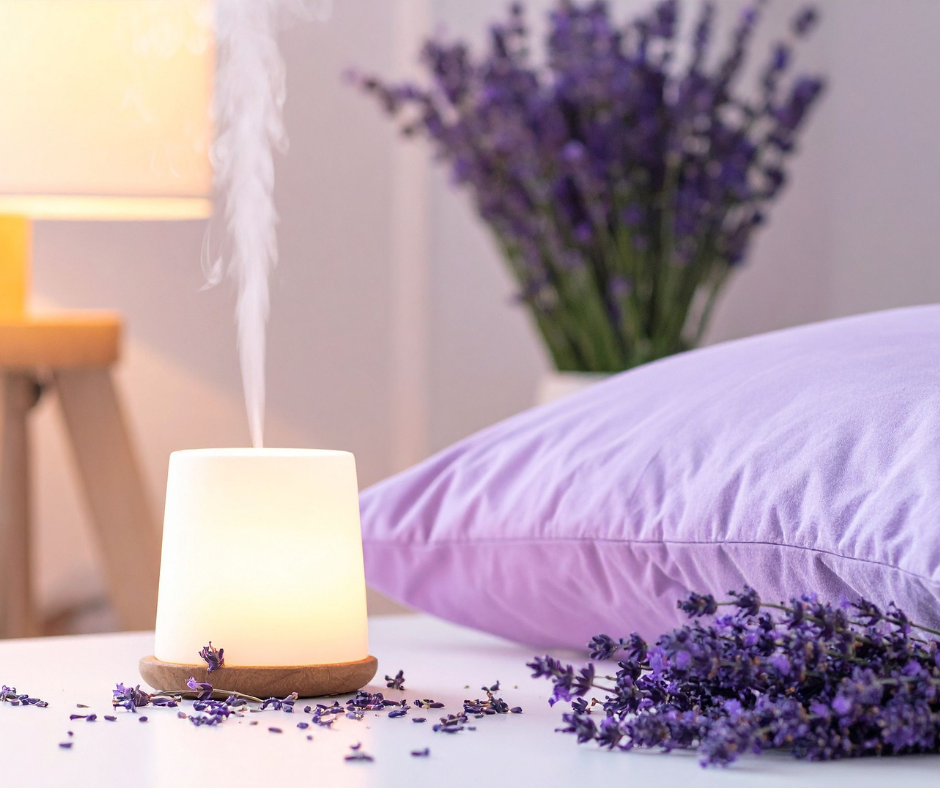
Benefits of Following Newborn Aromatherapy Safety Practices
When practiced correctly, newborn aromatherapy safety can:
-
Promote relaxation and calm for both babies and parents
-
Support better sleep with gentle, soothing aromas
-
Reduce environmental stress in the home
-
Introduce children early to safe, natural herbal wellness practices
From my personal experience with my daughter, even small, subtle aromas can create a soothing, nurturing atmosphere without compromising safety.
Essential Oils to Avoid for Newborn Aromatherapy Safety
Certain essential oils are too strong or potentially harmful for newborns. For proper newborn aromatherapy safety, avoid:
-
Eucalyptus
-
Peppermint
-
Rosemary
-
Sage
-
Clove
-
Cinnamon
-
Oregano
-
Thyme
These oils can irritate the lungs or overwhelm a baby’s delicate senses. During my research for my own newborn, I discovered that many widely recommended oils—including some very “hot” oils like oregano and thyme—are simply unsafe for early infancy.

Safe Aromatherapy Alternatives for Newborns
To maintain newborn aromatherapy safety, you can use gentle, indirect methods:
-
Hydrosols (floral waters): Chamomile, lavender, or rose hydrosols are mild and safe for room misting. Avoid direct contact with the baby.
-
Dried herbs: Lavender or chamomile sachets in a nearby drawer provide a soft aroma.
-
Diffuser with caution: Use only 1–2 drops of mild essential oils, diffuse for 10–15 minutes, and keep the baby in a separate room.
-
Cotton pads with a single drop of oil placed high and away from the crib.
These practices ensure that parents can enjoy aromatherapy benefits while respecting newborn safety.
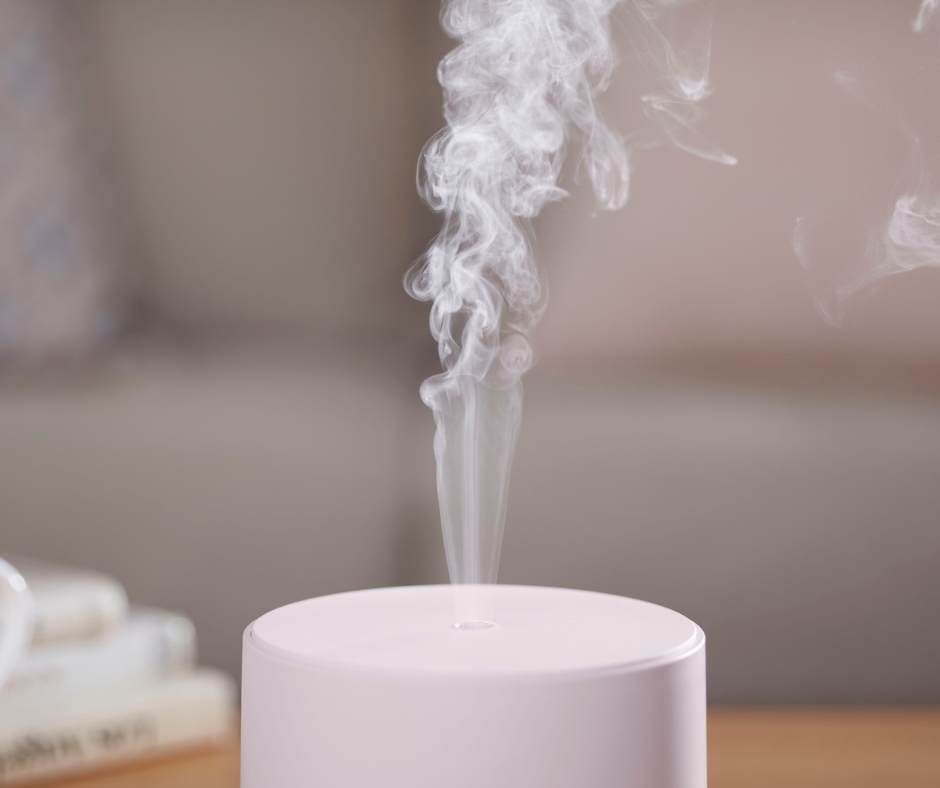
How to Practice Newborn Aromatherapy Safety at Home
Follow these simple steps for newborn aromatherapy safety:
-
Ensure good ventilation in the room.
-
Limit diffusion time to 10–15 minutes.
-
Keep the baby out of the room during diffusion.
-
Use only mild essential oils like lavender or Roman chamomile.
-
Never apply oils directly on the baby’s skin or bedding.
By following these steps, parents can maintain a calm, aromatic home environment safely.
Final Thoughts on Newborn Aromatherapy Safety
Newborn aromatherapy safety is essential for protecting your baby while still enjoying the benefits of gentle herbal aromas. By prioritizing safety, indirect exposure, and mild oils, parents can create a nurturing, soothing home environment.
As a new parent myself, I wanted a practical and honest guide I could trust for my daughter—and I hope this guide helps other parents feel confident using aromatherapy safely.
FAQ: Newborn Aromatherapy Safety
When it comes to newborn aromatherapy safety, many parents have questions about what is safe, how to use oils, and which methods are best for their baby. Below are some of the most common questions, answered clearly to help you create a calm, safe home environment.
Q1: Can I diffuse essential oils while my baby sleeps?
A: Only if the baby is in another room. Keep diffusion short (10–15 minutes) and use mild oils like lavender or Roman chamomile. Avoid strong or “hot” oils such as oregano, thyme, peppermint, or eucalyptus.
Q2: Are hydrosols safe to spray in a baby’s room?
A: Yes, hydrosols are gentle alternatives, but never spray directly on the baby. Ensure the room is well-ventilated and allow surfaces to dry fully before the baby returns.
Q3: Can I use essential oils on my baby’s bedding?
A: Avoid this entirely. Direct contact can irritate sensitive skin and overwhelm a newborn’s developing respiratory system.
Q4: When can I start using mild essential oils in the same room as my baby?
A: Around 3–6 months, with very gentle oils and minimal diffusion. Always observe your baby for any signs of discomfort or respiratory irritation.
Q5: Can I mix oils together for my newborn’s environment?
A: For newborn aromatherapy safety, it’s best to avoid blends. Mixing oils can increase the risk of irritation, even with mild oils. Stick to a single gentle oil or hydrosol at a time.
Q6: Are there alternatives to essential oils that are safer for newborns?
A: Yes! You can use dried herbs in sachets, mild hydrosols, or simply open windows to bring natural scents indoors. These methods provide gentle aromatherapy benefits without any risk to your baby.
Q7: How can I tell if an essential oil is too strong for my baby?
A: Oils with a strong, pungent, or “hot” aroma, like oregano, thyme, peppermint, eucalyptus, clove, and cinnamon, are considered unsafe. If a scent makes you feel it’s overwhelming, it’s definitely too strong for a newborn.
Further Reading & Resources
For more information on the science behind aromatherapy safety and herbal wellness, explore reputable resources such as the National Center for Complementary and Integrative Health (NCCIH), PubMed for research articles on essential oils and infant safety, and Healthline for practical insights on creating a calm, toxin-free home environment..
Additionally, Anthos Botanicals offers a range of educational resources, workshops and guidance to help parents discover how herbal science and gentle aromatherapy can work together to support relaxation, wellbeing, and a nurturing environment for both babies and parents.
Custom Herbal Journey at Mt. Pelion, Greece – Explore the Healing Herbs of Greece
Herbalism & Aromatherapy Masterclasses in Pelion – Learn with a Medical Herbalist
Anthos Botanicals – Certified Organic Carrier & Essential Oils
You May Also Like…

Discover the Powerful Lemon Essential Oil Benefits for Mind & Body
Discover the powerful lemon essential oil benefits for energy, mental clarity, and immune support—naturally uplifting both mind and body.

Discover the Powerful Peppermint Essential Oil Benefits for Mind & Body
Discover the powerful peppermint essential oil benefits for focus, digestion, and energy—naturally supporting mind and body wellness.
Η ασφάλεια των αιθέριων ελαίων είναι απλή: 7 οδηγίες που πρέπει να γνωρίζετε
“Ανακαλύψτε την απλή ασφάλεια των αιθέριων ελαίων με 7 βασικές οδηγίες για την ασφαλή χρήση τους. Προστατέψτε το δέρμα...
Discover Herbal Science with Anthos Botanicals!
We’re excited to share our very first video, diving into the fascinating world of plants and their healing powers. Click below to watch and join us on this journey into evidence-based herbal wisdom.
0 Comments